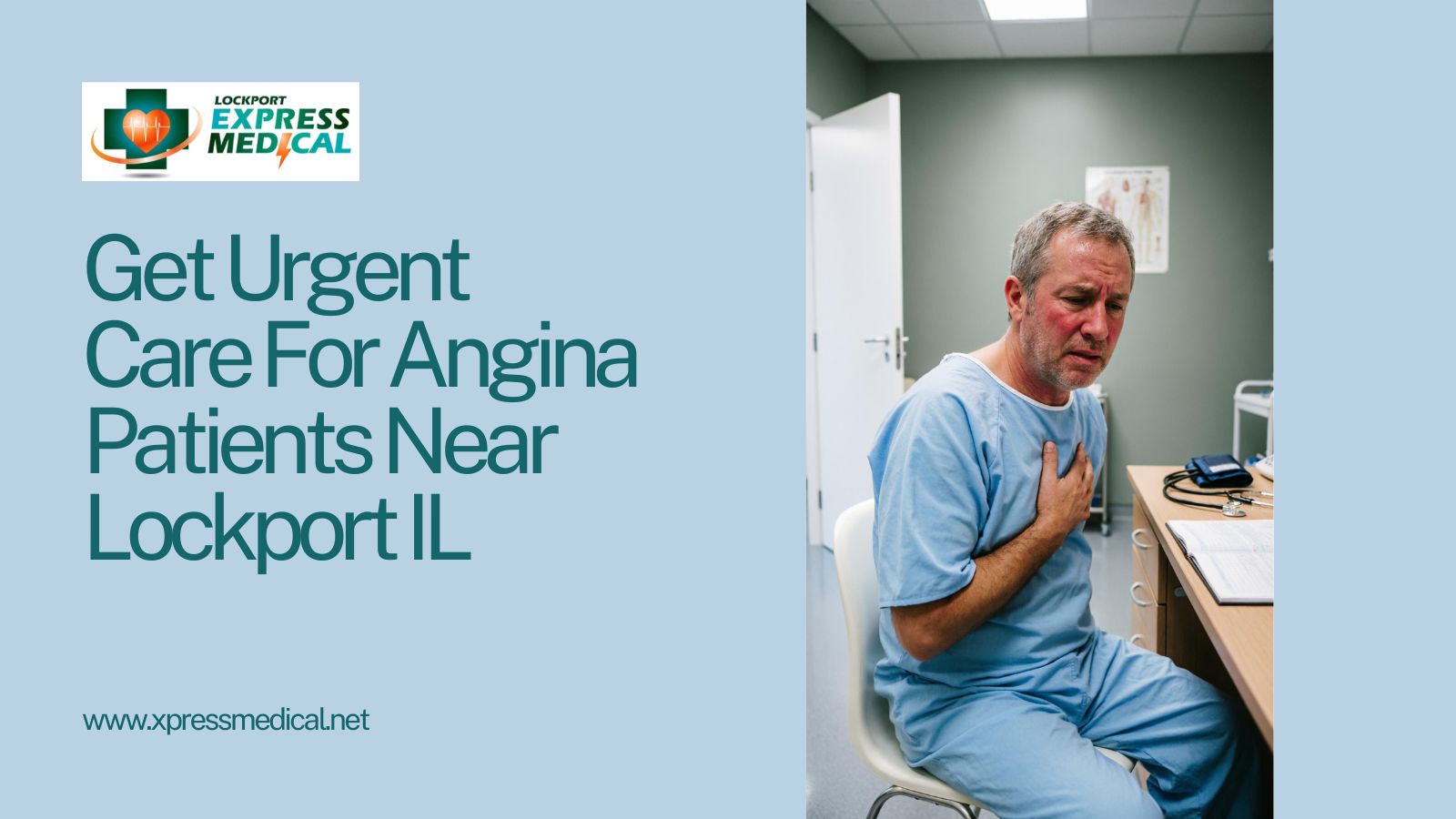
Urgent care for angina requires immediate, highly responsive evaluation to distinguish stable symptoms from critical cardiac events and ensure optimal patient outcomes. Experiencing unexpected chest discomfort, tightness, or pressure can be deeply alarming, making rapid access to an experienced angina doctor essential for peace of mind and safety. Prompt diagnostic assessment helps evaluate risk levels, manage uncomfortable symptoms effectively, and prevent potential health complications from escalating unnecessarily. For reliable, compassionate, and prompt medical support, trust Lockport Express Medical’s urgent care for angina treatment to deliver expert cardiac evaluation right when needed.
What is the Angina attack?
An angina attack is a temporary episode of chest pain, pressure, or squeezing that occurs when the heart muscle does not receive enough oxygen-rich blood. Usually triggered by physical exertion or emotional stress in people with coronary artery disease, the discomfort often radiates to the arms, neck, jaw, or back, typically lasts less than 10 minutes, and subsides with rest or medication.
Angina causes and symptoms:
Angina is caused by reduced blood flow and oxygen to the heart muscle, most commonly due to coronary artery disease, coronary microvascular disease, and coronary artery spasms.
Causes and Triggers
- Coronary Artery Disease (CAD): The leading cause, involving fatty plaque buildup (atherosclerosis) that narrows the heart arteries, reducing blood supply.
- Coronary Artery Spasm: Sudden tightening of an artery that temporarily reduces blood flow, which can occur even without severe blockages.
- Coronary Microvascular Disease: Tiny blood vessels that branch off the main heart arteries become damaged or diseased.
- Common Triggers: Physical exertion or exercise, emotional stress, heavy meals, and exposure to cold temperatures.
- Other Contributing Factors: Severe anemia, high blood pressure, heart valve disease, or hypertrophic cardiomyopathy.
Main Symptoms
Angina symptoms mainly include chest pain that usually starts behind the breastbone, spreading to the upper back or shoulder blades, and aching or tightness felt in the throat, teeth, or jaw, and pressure.
- Pressure or squeezing: Feeling like a heavy weight or a tight band is on your chest.
- Burning or ache: Feeling similar to bad heartburn or indigestion.
- Arms and shoulders: Pain moving down the left or right arm.
- Shortness of breath: Trouble catching your breath during mild activity or rest.
- Sweating: Breaking out in a cold, clammy sweat.
- Nausea: Feeling sick to your stomach or dizzy.
When should you go to urgent care for Angina?
New, sudden, worsening, or severe chest pain is a medical emergency. Call 911 (or your local emergency number) or go directly to the nearest urgent care for angina, like Express Medical.
- First-Time Chest Pain: Any new, sudden, or unexplained chest pressure, tightness, or pain.
- Unstable Angina: Chest discomfort that occurs while at rest, feels significantly more severe than past episodes, or lasts longer than 5 to 10 minutes.
- Lack of Relief: Symptoms that do not improve after resting or taking prescribed nitroglycerin.
- Pain radiating to the arm, shoulder, neck, jaw, or back.
- Shortness of breath or difficulty breathing.
- Cold sweats, dizziness, or lightheadedness.
- Unexplained nausea or vomiting.
Explore: When to Seek Abdominal Pain Urgent Care Medical Attention
What are the different types of Angina?
Angina is chest pain that occurs when your heart muscle does not get enough oxygen-rich blood. The 5 primary types include stable angina, unstable angina, variant (Prinzmetal’s) angina, microvascular angina, and refractory angina, each exhibiting distinct patterns, triggers, and clinical implications for heart health.
1- Stable Angina
- Predictable and common form of chest discomfort that occurs during physical exertion or emotional stress when the heart works harder.
- Typically lasts for five minutes or less and goes away quickly with rest or medications like nitroglycerin.
2- Unstable Angina
- Dangerous, unpredictable chest pain that occurs unexpectedly, often while resting or with minimal exertion.
- Lasts longer than five minutes, does not resolve with standard rest or medications, and serves as an emergency warning sign for a potential heart attack, so need urgent care for angina for unstable angina treatment.
3- Variant Angina (Prinzmetal’s Angina)
- Rare type caused by a sudden, temporary spasm in the coronary arteries rather than fixed plaque buildup, frequently waking a person from rest during midnight or early morning hours.
- Can cause intense pain but typically responds well to specific anti-spasm medications like calcium channel blockers or nitrates.
4- Microvascular Angina
- Chest pain linked to spasms or damage in the tiny walls of the heart’s smallest blood vessels (coronary microvascular disease) rather than major arteries.
- Often lasts longer than regular stable angina, sometimes persisting past 10 to 30 minutes, and can be triggered by everyday routine activities or mental stress.
5- Refractory Angina
- Occurs when daily chest pain continues even after trying a mix of standard medications and lifestyle changes.
Explore: Swollen Lymph Nodes Urgent Care and When to Seek Medical Attention?
How do doctors check for Angina?
Angina is diagnosed through a combination of a detailed medical history review, physical exams, and heart tests. Doctors commonly use an electrocardiogram (ECG or EKG), stress tests, and blood tests to confirm the condition.
- Medical History: The doctor asks about your pain, triggers, and symptoms.
- Electrocardiogram (ECG/EKG): Checks the electrical activity and rhythm of your heart.
- Stress Tests: Monitors heart performance while you walk on a treadmill or use medication to make your heart beat faster.
- Blood Tests: Checks for heart damage markers (like troponin) and risk factors like high cholesterol.
- Chest X-ray: Views the heart and lungs.
- Coronary Angiogram: Uses X-ray imaging and a tiny tube (catheter) with dye to see blocked or narrowed blood vessels.
What are the after effects of Angina attack?
The physical and emotional aftereffects of an angina attack can include lingering fatigue, shortness of breath, and heightened anxiety about future episodes.
- Fatigue: Feeling very tired or drained as the body recovers from the sudden oxygen shortage.
- Shortness of breath: Lingering mild breathlessness as the respiratory system normalizes.
- Lightheadedness: Mild dizziness or weakness right after the pain fades.
- Anxiety: Fear or worry about when the next chest pain might happen.
- Stress: Heightened emotional tension, which can further elevate blood pressure and heart rate.
- Unstable angina: Pain that becomes more frequent, occurs at rest, or does not go away with medication.
Explore: Urgent Care for Palpitations in Illinois for Fast Heartbeat Cure
Why choose Express Medical urgent care for Angina treatment?
If you’re experiencing angina symptoms, Lockport Express Medical provides fast, supportive urgent care for angina so you can be evaluated quickly, start the right treatment, and get clear next steps.
- Quick access to care when symptoms flare.
- Experienced clinicians who can assess possible angina.
- On-site evaluation and care planning to help you stay safer.
- Support for angina and hypertension treatment options and ongoing management.
- Guidance on when to go to the ER for urgent or worsening symptoms and angina pectoris treatment.
- Patient-centered approach with clear, practical next steps.
FAQs
How long before angina becomes a heart attack?
Stable angina does not turn into a heart attack on a fixed timeline, but unstable angina is an acute emergency. When chest pain lasts past 20 minutes and resists rest, a heart attack may be actively occurring.
What is the immediate treatment for angina?
Stop physical activity and rest immediately. Take prescribed fast-acting sublingual nitroglycerin. If pain continues or worsens after five minutes, take a second dose and seek emergency care if unresolved.
Is angina life threatening?
Stable angina is manageable and not immediately fatal, though it signals underlying heart disease. Unstable angina is dangerous, unpredictable, and potentially life-threatening because it signals a high risk of an impending heart attack.
What helps angina go away?
Resting for a few minutes or taking fast-acting nitrate medications like nitroglycerin typically relieves stable angina. Long-term control requires lifestyle changes, beta-blockers, calcium channel blockers, and managing underlying risk factors.
What are the four stages of angina?
The four primary classifications are stable angina (predictable exertion pain), unstable angina (sudden unprovoked emergency pain), microvascular angina (pain from tiny blood vessel spasms), and variant or Prinzmetal’s angina (rest pain from artery spasms).