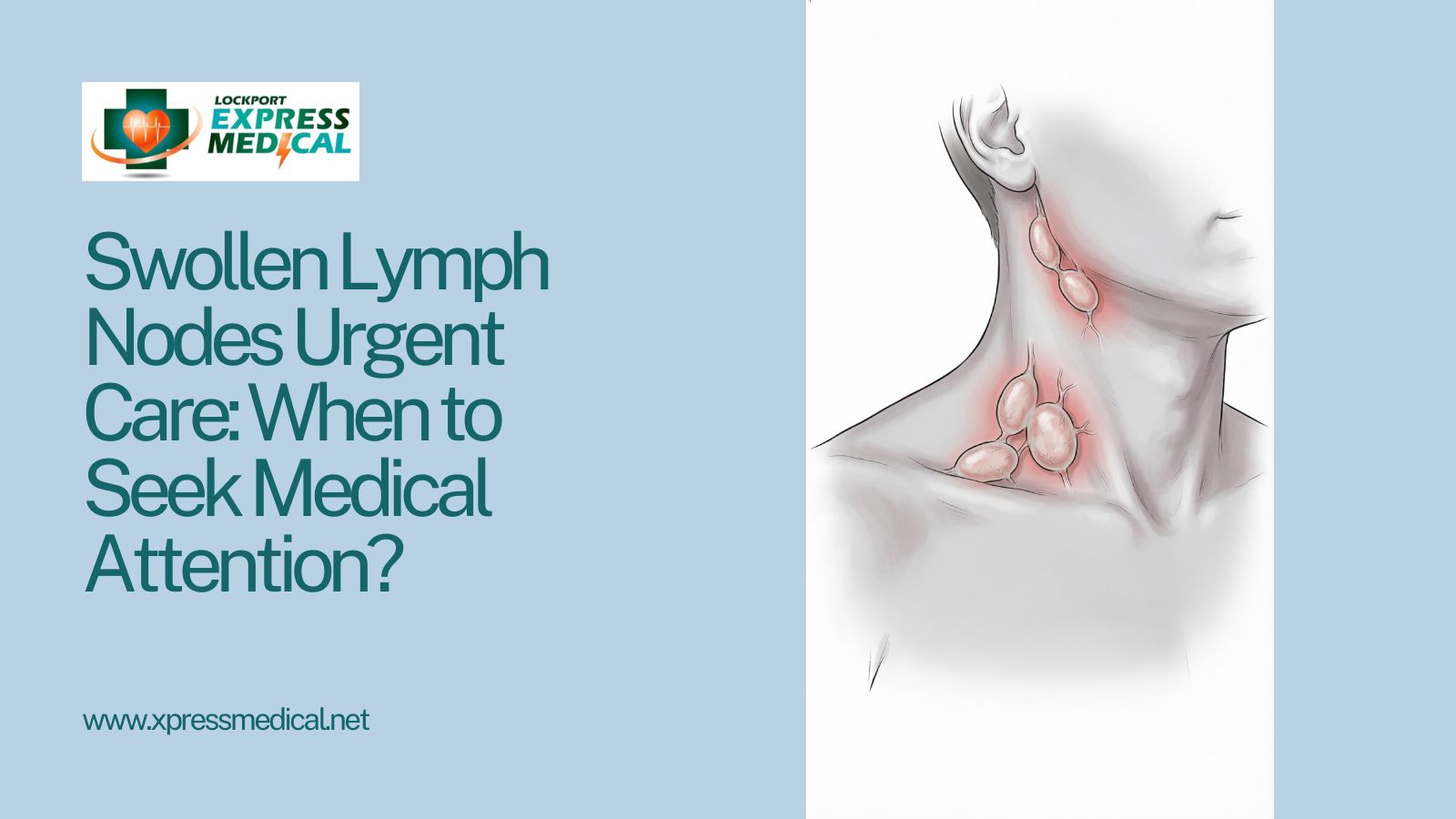
Swollen lymph nodes urgent care you may need if you have recently discovered a tender bump under your jaw, on your neck, or in your armpit. While these small, bean-shaped glands typically swell as a healthy, normal sign that your immune system is actively fighting off a minor infection, it is natural to wonder: Are swollen lymph nodes dangerous? Understanding the subtle differences between a routine cold response and a medical emergency is crucial. Let’s look at how to evaluate your symptoms safely and determine exactly when to seek immediate medical urgent care for swollen lymph nodes.
What are swollen lymph nodes?
Swollen lymph nodes are pea- or bean-sized immune tissues scattered throughout the body that enlarge when the immune system is responding to illness, infection, or inflammation. These nodes are part of the lymphatic system and function like filters: as lymph fluid circulates, the nodes help trap viruses, bacteria, and damaged cells so they can be dealt with. When an infection or irritation occurs, immune cells (especially white blood cells) multiply rapidly inside the lymph nodes to destroy the harmful invaders, and this increased cellular activity makes the nodes swell.
However, swelling that lasts a long time, becomes persistently hard, or is painless may signal something more serious and should be evaluate swollen lymph nodes urgent care by a healthcare professional; medically, this condition is referred to as lymphadenopathy.
Causes of swollen lymph nodes:
Swollen lymph nodes most often swell because your immune system is actively filtering and trapping germs—especially during viral or bacterial infections. Less commonly, they may reflect autoimmune conditions, medication reactions, or cancer. The causes of swollen lymph nodes:
1- Infections (most common)
- Viral: common cold, flu, mononucleosis (glandular fever), measles, chickenpox, herpes
- Bacterial: strep throat, tonsillitis, ear infections, skin infections (e.g., cellulitis)
- Dental issues: tooth abscess, gingivitis, mouth sores
- Other infections: sexually transmitted infections (STIs), tuberculosis, cat-scratch fever
- Common examples: sinus infections/sinusitis, minor skin infections, strep/staph
2- Immune system & inflammatory disorders
- Autoimmune diseases: rheumatoid arthritis, lupus (can cause generalized swelling)
- Medications (rarely): certain drugs can trigger lymph node swelling (e.g., anti-seizure medicines such as allopurinol, carbamazepine, hydralazine, phenytoin)
3- Cancer (less common)
- Lymphoma or leukemia: cancers originating in the lymphatic system or blood-forming tissues
- Metastatic cancer: cancer spread to lymph nodes (e.g., breast cancer spreading to armpit nodes)
4- Other serious, less common causes
- Viral diseases: hepatitis, chickenpox/shingles, measles/rubella
- Uncommon bacterial diseases: plague, tuberculosis
- Autoimmune conditions: Sjögren’s syndrome, rheumatoid arthritis, lupus
- Endocrine issues: hyperthyroidism
- Blood or metastatic cancers and STIs
Get urgent care x ray at Express Medical
Red flags that require swollen lymph nodes urgent care:
Swollen lymph nodes from lymphadenopathy often improve as minor infections resolve within 2–4 weeks. Get swollen lymph nodes urgent care or emergency care if symptoms suggest rapid, persistent, or serious illness.
1- Abnormal texture
- Hard, rubbery, or painless “rock-hard” nodes.
2- Immobility
- Lumps that are fixed in place and don’t move easily.
3- Rapid growth
- Nodes growing quickly or larger than 1 inch (2.5 cm).
4- Prolonged swelling
- Swelling lasting more than 2–4 weeks without an obvious infection or illness.
5- Unexplained location
- Nodes swollen just above or below the collarbone.
6- B-symptoms / systemic red flags
- Drenching night sweats (soak clothes or bedding).
- Unexplained weight loss (e.g., losing 10% or more of body weight without trying).
- Persistent, unexplained high fever.
7- Breathing/swallowing or neurologic symptoms
- Difficulty breathing or swallowing.
- Severe weakness, confusion, or fainting.
8- Local “infection-like” warning signs
- Red, inflamed, or hot skin over the node.
- Pain that spikes after even small amounts of alcohol (rare but specific).
- Draining pus or other fluid from the swollen area.
Where do swollen lymph nodes commonly occur?
Swollen lymph nodes most commonly occur in the neck, under the chin, in the armpits, and in the groin. Their exact location can often provide a clue as to what your immune system is fighting off:
- Neck & Under the Chin: Typically swell in response to upper respiratory infections, like a cold, sore throat, or a tooth infection.
- Armpits: Often react to infections or injuries in the arms or hands.
- Groin: Frequently enlarged due to infections in the legs, feet, or pelvic/genital area.
How are swollen lymph nodes treated?
Swollen lymph nodes are usually treated by addressing the underlying infection or inflammation. Most improve as the immune response settles, while comfort care reduces pain and swelling.
1- Treat the cause
- Focus on treating the illness responsible for the lymph node swelling (for example, viral or bacterial infection).
2- Home remedies & comfort measures
- Warm compresses: Apply a warm, moist washcloth to the swollen area for 15–20 minutes, a few times daily; warmth can improve blood flow and ease tenderness.
- OTC pain relievers: Use medications such as acetaminophen (Tylenol) or ibuprofen (Advil, Motrin) to help manage pain and inflammation.
- Rest and hydration: Get extra rest and drink plenty of fluids so your immune system can recover more effectively.
3- What to avoid
- Do not squeeze, pop, or drain the node—this can spread infection and may cause significant bleeding.
- Avoid aggressively rubbing or pressing on the nodes.
4- When should I go to urgent care for swollen lymph nodes
Nodes often return to normal size within 1–2 weeks after the infection clears, but seek medical advice if you notice:
- Hard nodes, fixed in place, or painless.
- Swelling that keeps growing or lasts more than 2–4 weeks.
- Concerning associated symptoms such as unexplained weight loss, night sweats, or a persistent high fever.
- Difficulty swallowing or breathing.
Why choose swollen lymph nodes urgent care over the ER:
Choosing swollen lymph nodes urgent care over the ER for swollen lymph nodes is often best when symptoms suggest a non-life-threatening infection, because it’s faster, cheaper, and designed for targeted evaluation.
1- Shorter wait times
- You’re usually seen much sooner than in an ER, where life-threatening emergencies are prioritized.
2- Lower costs
- Urgent care visits typically have much lower out-of-pocket expenses and co-pays than an ER visit.
3- Targeted, walk-in convenience
- Urgent care is well-suited for localized issues like common bacterial infections or minor viral illnesses.
- They can perform physical exams and may offer on-site testing (such as blood work) to help identify the cause—without the busy-hospital environment.
4- When to skip urgent care and go to the ER
- Difficulty breathing.
- Severe trouble swallowing or any concern for airway constriction.
- Nodes feel rock-hard/rubbery and are completely fixed in place.
- You have severe “B symptoms” such as high fevers, drenching night sweats, or rapid unexplained weight loss.
Explore: The Best Urgent Care That Accepts Cigna Insurance in Lockport
Visit Lockport Express Medical for swollen lymph nodes urgent care:
Visit Lockport Express Medical for swollen lymph nodes urgent care get prompt, walk-in evaluation, targeted testing when needed, and treatment for the underlying infection so you can feel better quickly and safely.
- Fast, walk-in care with typically shorter wait times than the ER.
- Focused evaluation of localized swelling (neck, armpits, groin).
- On-site exams and testing to help identify likely causes.
- Treatment guidance for the underlying infection or inflammation.
- Clear next steps if symptoms suggest a more serious condition.
FAQs
What do swollen lymph nodes look like?
They look like soft, sometimes tender bumps or lumps under the skin, often pea- to bean-sized. You can find them on the neck, chin, armpits, and groin.
Should I go to urgent care for swollen lymph?
Visit the swollen lymph nodes urgent care if the swelling is paired with a fever, rapid growth, pain, pus, or if you have difficulty swallowing or breathing.
When to worry about your nodes?
Worry if the lumps appear without reason, feel hard, remain swollen for two to four weeks, or come with persistent fever, night sweats, or unexplained weight loss.
Can allergies cause swollen lymph nodes?
Yes. Allergies can cause a mild, temporary reaction. They can also lead to secondary sinus or ear infections, triggering more noticeable node swelling.
How to tell if a swollen lymph node is serious?
Serious nodes are typically hard, rubbery, fixed in place (do not move when pressed), and measure over 2 cm across, especially when accompanied by severe systemic symptoms.