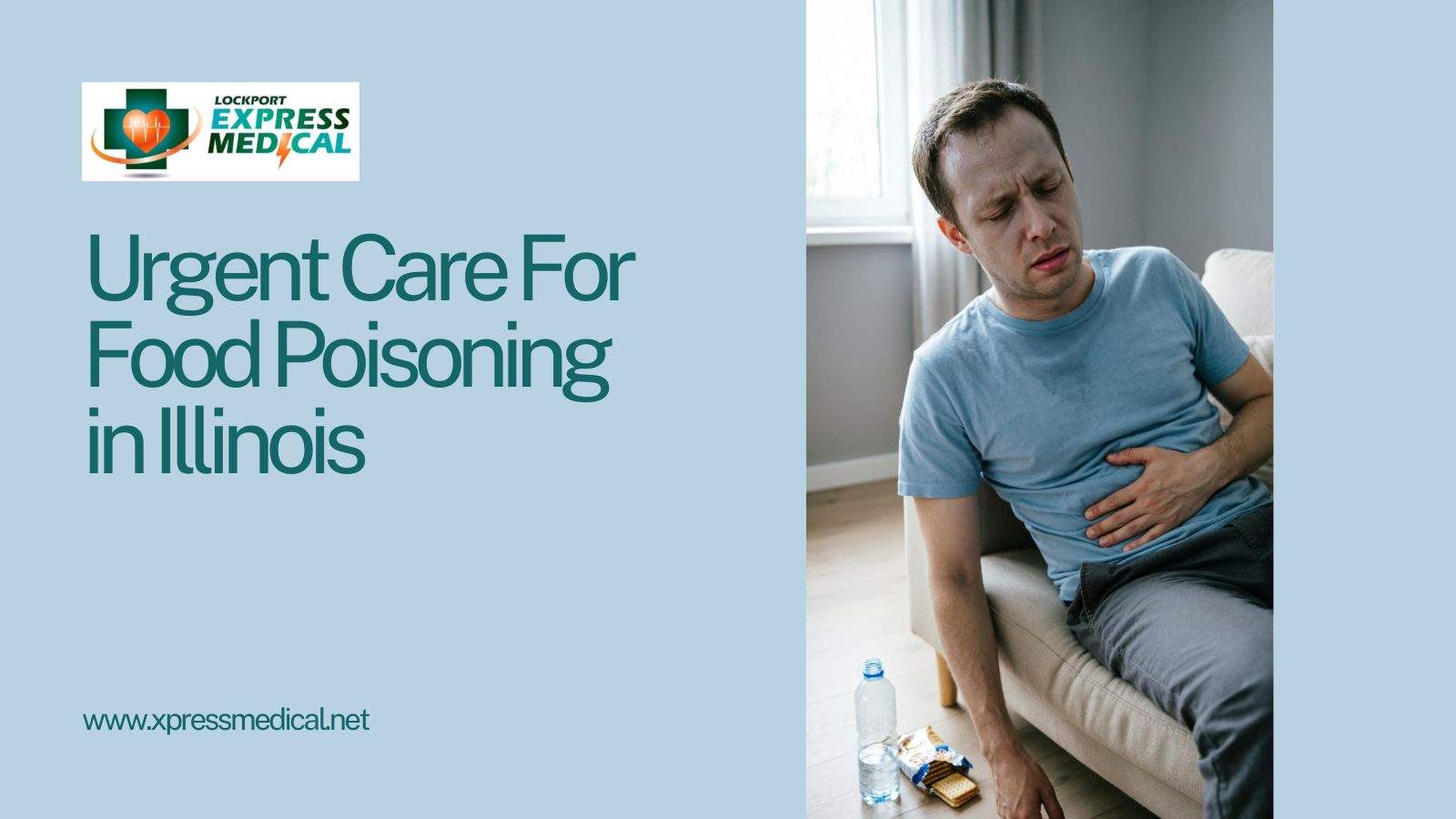
Food poisoning can ruin a day fast. One minute you feel fine; a few hours later, cramps, vomiting, diarrhea, or fever may start. Urgent care for food poisoning becomes useful when fluids will not stay down, standing makes you dizzy, or the illness is simply getting harder to handle at home. Express Medical can check for dehydration and other warning signs before deciding what you actually need. Food poisoning treatment is not always medication. Sometimes the priority is replacing lost fluids, easing symptoms, and making sure there is no sign of a more serious infection or complication.
What is food poisoning?
Food poisoning does not always announce itself right after a meal. The food may have looked and tasted completely normal. Hours later, or sometimes days later, vomiting, diarrhea, stomach cramps, fever, or headache may begin. The cause can be a virus, bacterium, parasite, or a harmful chemical in food itself.
Most episodes are short, but the fluid loss is what often makes people feel much worse. Repeated vomiting or diarrhea can leave someone dizzy, weak, or urinating less. At urgent care for food poisoning, the clinician checks how sick the patient looks and whether dehydration or another problem needs treatment.
Why do you need urgent care for food poisoning?
- Sometimes food poisoning is miserable but still manageable at home. The picture changes when vomiting will not stop, diarrhea is frequent, or even small sips come straight back up.
- Dehydration is the big concern. Less urine, dizziness when standing, dry mouth, unusual tiredness, or fainting mean the body is falling behind on fluids and salts.
- During urgent care for food poisoning, the clinician looks at how often symptoms are happening, whether there is blood in the stool, how high the fever is, and whether the patient can still drink. Food poisoning urgent care can also help decide if stool or blood testing is worth doing.
- Some people should be seen sooner, especially pregnant patients, older adults, young children, and anyone with a weakened immune system.
- Urgent care also has limits. Confusion, severe dehydration, black or bloody stool, intense abdominal pain, or nervous-system symptoms such as weakness, numbness, or blurred vision may need emergency or hospital care without further delay instead.
Causes and types of food poisoning:
- Food poisoning can come from several different problems, and they do not all behave the same way. Bacteria such as Salmonella, Campylobacter, certain E. coli, and Listeria may contaminate meat, eggs, produce, dairy, or ready-to-eat foods.
- Viruses are another major cause. Norovirus, for example, can reach food through contaminated hands, water, or surfaces, so the meal itself may not have been spoiled.
- At urgent care for food poisoning, the timing of symptoms, foods eaten, travel, fever, and stool changes can help narrow the cause. That matters because food poisoning medication is not chosen the same way for every infection.
- Parasites such as Giardia, Cryptosporidium, and Toxoplasma can also spread through contaminated food or water. Some cause symptoms that last longer than a brief stomach illness.
- There is also toxin-related food poisoning. Certain fish, shellfish, mushrooms, or bacterial toxins can trigger illness without a live infection, sometimes with unusual neurologic symptoms that need prompt evaluation and may require different medical care.
Explore the first signs of food poisoning:
- The first sign may be something: a wave of nausea, cramping, or a loose stool. Vomiting can follow later, and fever does not appear in every case.
- What happens next matters. Diarrhea that becomes bloody, black, or unusually frequent is not the same as a brief stomach upset and deserves medical attention.
- At urgent care for food poisoning, the clinician asks when symptoms began, what was eaten, whether anyone else became sick, and how much fluid is staying down. Those details can guide food poisoning treatment and whether testing is useful.
- Fluid loss often becomes noticeable through darker urine, fewer bathroom trips, dry mouth, dizziness on standing, or a tired feeling that is out of proportion to the stomach symptoms.
- A few warning signs do not belong in a “wait and see” plan. Blurred vision, tingling, weakness, trouble swallowing, confusion, fainting, or severe abdominal pain can signal a more serious problem and need prompt evaluation rather than waiting at home.
When to Seek Abdominal Pain Urgent Care Medical Attention
How is food poisoning treated?
- There is no single medicine that clears every case of food poisoning. Often, the body settles once vomiting eases and lost fluid is replaced. Small sips can be easier to tolerate than drinking a glass at once.
- At urgent care for food poisoning, the clinician looks at what is happening: how often you are vomiting, whether diarrhea is bloody, how much you are urinating, and whether fever or abdominal pain is worse.
- Food poisoning medication depends on the likely cause. Some bacterial or parasitic infections need prescription treatment, but antibiotics do not help viral illness and are not used automatically.
- Diarrhea medicines can help some adults, yet they are a poor choice when there is blood in the stool or fever unless a clinician says otherwise.
- If dehydration is the main problem, oral rehydration may be enough. When fluids will not stay down or weakness is marked, IV fluids may be needed, and severe cases may belong in the hospital.
Benefits of hydration for food poisoning recovery:
- After several trips to the bathroom, it is common to feel washed out. Vomiting and diarrhea take water with them, but also sodium and other salts the body uses every day.
- Drinking little and often is easier on an unsettled stomach. Oral rehydration solution can help because glucose and salts help the intestine take water back in.
- During urgent care for food poisoning, one question matters: are fluids staying down? Darker or less frequent urine, along with dizziness on standing, can point to dehydration. That can change urgent care food poisoning care from oral drinks to an IV.
- Replacing fluid supports circulation and gives the kidneys what they need to work normally. It is part of treatment for food poisoning, but it does not remove the infection itself.
- Young children, older adults, pregnant patients, and people with weaker immunity can dehydrate sooner. Fainting, confusion, very little urine, or repeated vomiting needs medical assessment, not another large glass of water.
Visit Trusted IV Hydration Urgent Care in Lockport IL
Tips to prevent food poisoning:
- Pregnant people, adults over 65, children under five, and anyone with weakened immunity have less room for error with foodborne illness. For them, unpasteurized dairy, raw sprouts, undercooked eggs, meat, or seafood carry extra risk.
- Hands matter more than people think. Wash with soap and water before cooking and after handling raw meat, using the bathroom, or caring for someone with vomiting or diarrhea.
- Before urgent care for food poisoning becomes necessary, keep raw meat away from foods eaten without cooking. Separate boards, plates, and utensils help stop germs moving from one food to another.
- Cooking temperature is a health issue, not a kitchen preference. Poultry should reach 165°F; ground meat, 160°F.
- Refrigerate leftovers promptly. Good prevention lowers the chance of needing food poisoning treatment, but fever, bloody diarrhea, repeated vomiting, or dehydration still deserves medical advice early.
Visit Express Medical urgent care for food poisoning:
- Lockport Express Medical is a walk-in option when vomiting, diarrhea, cramps, or weakness are getting hard to manage at home. No appointment is needed, and the clinic is open seven days a week.
- During urgent care for food poisoning, the doctor can check dehydration, abdominal tenderness, fever, and how well fluids are staying down. That helps separate a rough stomach illness from a case that needs testing or hospital care.
- On-site lab testing and IV therapy are available when the clinical picture calls for them. Food poisoning urgent care may therefore include hydration support, symptom treatment, or further investigation rather than one standard remedy.
- The clinic is at 16221 W 159th Street in Lockport, near I-355, with extended weekday and weekend hours.
- Severe confusion, fainting, dehydration, or other emergency signs should bypass urgent care and go straight to emergency care.
Conclusion
Food poisoning can pass in a day or two, but it can also leave someone drained, dizzy, and unable to keep fluids down. Urgent care for food poisoning makes sense when symptoms stop feeling manageable at home or dehydration starts to become the bigger concern. At Express Medical, care depends on what is actually happening, not on a fixed treatment plan. The aim is to control symptoms, replace lost fluids when needed, and spot the cases that need more testing or a higher level of care.
FAQs
Is food poisoning contagious?
Sometimes, but not every type is. A virus such as norovirus can spread from an infected person through hands, shared surfaces, food, or water. Other cases come from toxins or contaminated food itself and do not pass between people in the same way.
What is the fastest way to flush out food poisoning?
There really is no safe “flush.” Your body needs time to clear the infection or toxin. What helps most is replacing the water and electrolytes lost through vomiting and diarrhea. Take small sips if your stomach is unsettled. Urgent care for food poisoning may be needed when fluids simply will not stay down.
What are the first signs of food poisoning?
It may start with nausea, stomach cramps, loose stool, or a headache rather than dramatic vomiting. Fever and diarrhea can follow. The timing varies widely because different germs and toxins act at different speeds.
When can you resume normal eating?
You do not have to wait for every stomach symptom to disappear. Once your appetite comes back and food stays down, you can usually start eating normally again. Heavy fried foods, lots of sugar, caffeine.