Asthma affects millions of people worldwide and remains one of the most common chronic respiratory conditions in both children and adults. Despite its prevalence, many individuals still ask what is the cause of asthma disease and whether it can be prevented. Asthma can vary from mild intermittent symptoms to severe, life-disrupting attacks. Understanding the triggers, risk factors, and preventive strategies is essential for long-term control. With proper medical guidance and early diagnosis, asthma can be managed effectively, allowing patients to live active, healthy lives.
What is Asthma disease?
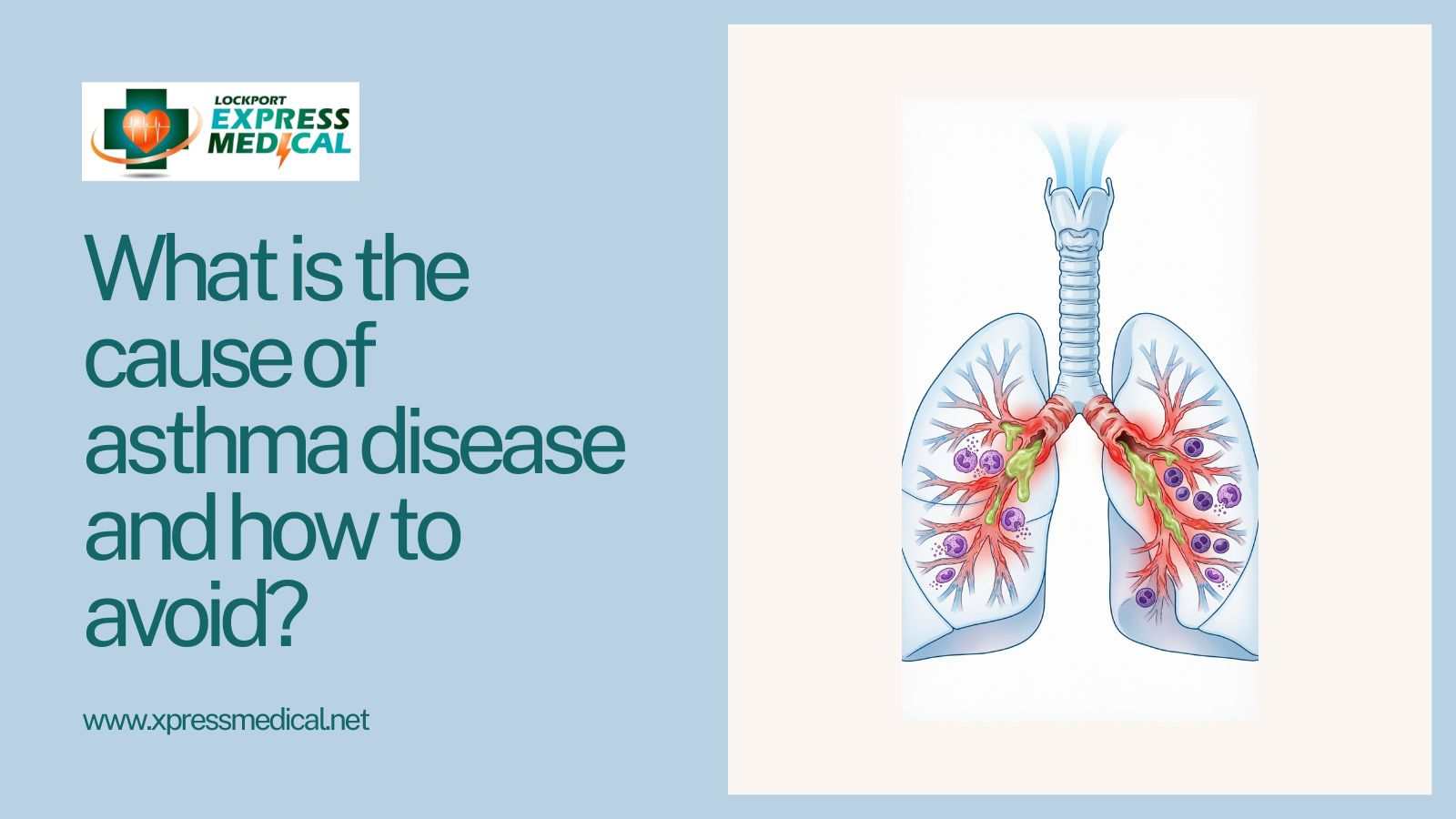
Asthma is a chronic inflammatory disease of the airways. It causes narrowing and swelling of the bronchial tubes, leading to breathing difficulty. When people ask what is the cause of asthma disease, it is important first to understand that asthma involves airway inflammation, mucus production, and muscle tightening around the airways.
In simple terms, asthma makes the airways overly sensitive to triggers, resulting in episodes of wheezing, coughing, chest tightness, and shortness of breath.
What is the cause of Asthma disease?
Many patients frequently wonder what is the cause of asthma disease because there is no single universal answer. Asthma develops due to a combination of genetic and environmental factors.
Research suggests that what causes asthma in children often includes genetic predisposition, early-life respiratory infections, and exposure to allergens. Meanwhile, what causes asthma in adults may involve occupational exposures, smoking, pollution, or chronic airway irritation.
So, when discussing what is the cause of asthma disease, experts agree that multiple interacting factors contribute to airway hypersensitivity. These include:
- Family history of asthma or allergies.
- Exposure to dust mites, pollen, pet dander.
- Air pollution and tobacco smoke.
- Viral respiratory infections.
- Occupational chemical exposure.
Understanding what is the cause of asthma disease allows patients to focus on reducing modifiable triggers.
Common asthma symptoms:
Asthma symptoms vary but typically include:
- Wheezing (a whistling sound during breathing).
- Persistent coughing, especially at night.
- Chest tightness.
- Shortness of breath.
- Increased mucus production.
Recognizing these early helps address what is the cause of asthma disease in an individual case and allows timely intervention.
Explore: The best medical center for immediate care lockport
Types of Asthma:
There are several recognized types of asthma, including:
- Allergic asthma.
- Non-allergic asthma.
- Exercise-induced asthma.
- Occupational asthma.
- Severe persistent asthma.
Identifying the specific types of asthma is important when determining management strategies and investigating what is the cause of asthma disease for each patient.
What is the best treatment for Asthma?
There is currently no cure, but effective treatment of asthma focuses on controlling inflammation and preventing attacks.
Treatment typically includes:
- Inhaled corticosteroids.
- Bronchodilators.
- Long-acting beta-agonists.
- Leukotriene modifiers.
- Biologic therapies for severe cases.
Although patients often ask, can asthma be cured, the current medical consensus is that asthma can be controlled but not permanently eliminated. Proper treatment significantly reduces symptoms and improves quality of life.
In some cases, physicians may perform a laboratory test for asthma, including lung function testing (spirometry) or allergy testing to confirm diagnosis and tailor treatment.
Who is most at risk of developing Asthma?
Certain individuals have a higher likelihood of developing asthma. Risk factors include:
- Family history of asthma or allergic diseases.
- Exposure to tobacco smoke during childhood.
- Urban living with pollution exposure.
- Obesity.
- Occupational exposure to irritants.
Understanding these risk factors helps clarify what is the cause of asthma disease in different populations.
Best preventive measures for Asthma
Although asthma cannot always be prevented, the prevention of asthma attacks is possible with appropriate strategies.
Preventive measures include:
- Avoiding known allergens.
- Reducing indoor dust exposure.
- Using air purifiers.
- Avoiding smoking and secondhand smoke.
- Receiving appropriate vaccinations.
- Following prescribed inhaler use.
Patients who understand what is the cause of asthma disease in their case can personalize prevention strategies effectively.
Lifestyle modifications also play an important role. Maintaining healthy weight, regular exercise under guidance, and managing stress can reduce symptom frequency.
When should I visit a medical care center?
You should seek medical attention if:
- Symptoms worsen or become frequent.
- Rescue inhalers stop providing relief.
- Nighttime symptoms disturb sleep.
- Breathing difficulty interferes with daily activity.
Prompt evaluation helps identify whether symptoms are controlled and reassesses what is the cause of asthma disease progression in the patient.
Emergency care is required if there is severe shortness of breath, inability to speak full sentences, or bluish lips or fingernails.
Explore: Good walk in clinic near me in Lockport
Long-term outlook of Asthma
Many patients worry whether asthma will shorten life expectancy. With proper treatment and regular follow-up, most individuals live full, active lives.
Although can asthma be cured remains a common question, modern medicine emphasizes long-term control rather than cure. Early diagnosis and adherence to treatment significantly reduce complications.
Understanding what is the cause of asthma disease also supports better lifestyle decisions and early trigger avoidance.
Get the best treatment for Asthma with Express Medical
At Lockport Express Medical, patients receive comprehensive asthma evaluation and management. The clinical team investigates what is the cause of asthma disease through detailed medical history, physical examination, and appropriate diagnostic testing.
Individualized care plans are created to manage inflammation, control triggers, and improve lung function. Education is a key part of asthma management, ensuring patients understand inhaler technique and symptom monitoring.
By focusing on accurate diagnosis and preventive strategies, Express Medical supports long-term asthma control and improved quality of life.
FAQs:
What are 5 signs of asthma?
Common signs include wheezing, persistent cough, chest tightness, shortness of breath, and increased mucus production.
Can you live a long life with asthma?
Yes. With proper medical management and avoidance of triggers, most people with asthma live long, healthy lives.
At what age can asthma start?
Asthma can begin at any age, though it commonly develops in childhood.
Can asthma go away on its own?
Some children may experience symptom improvement over time, but asthma generally requires ongoing monitoring.
What organs are affected by asthma?
Asthma primarily affects the lungs and bronchial airways.
Is asthma an autoimmune disease?
Asthma is not classified as an autoimmune disease. It is primarily an inflammatory airway condition.